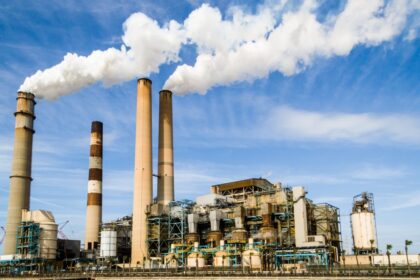


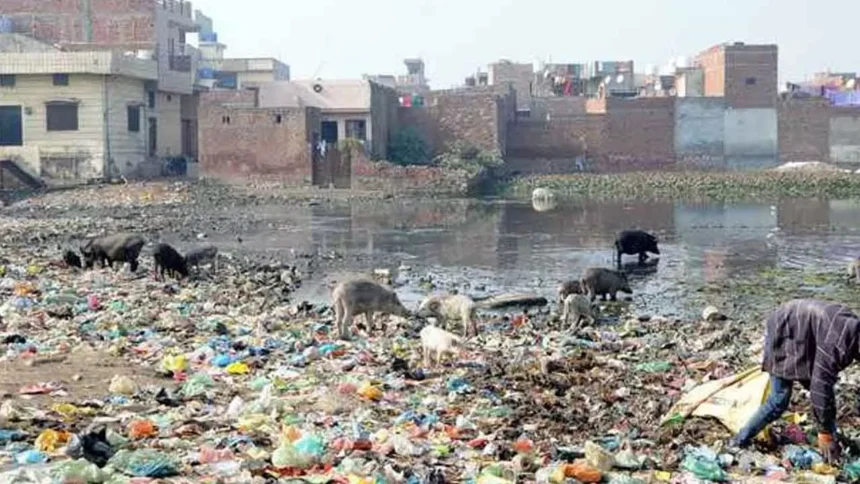
Poor sanitation is a major problem in many communities, affecting both human health and the environment. When waste is not properly managed, it can contaminate water sources, spread diseases, and harm ecosystems.
Health risks are the most immediate concern. Open defecation, overflowing toilets, and improper waste disposal can lead to waterborne diseases such as cholera, typhoid, and diarrhea. Children are especially vulnerable, and repeated illnesses can affect their growth and education.
The environment also suffers. Human and industrial waste can pollute rivers, streams, and soil, killing fish, reducing crop productivity, and damaging biodiversity. Flooding can worsen the problem by spreading waste over large areas.
Experts stress that improving sanitation—through proper waste management, clean toilets, and community awareness—can save lives, protect water sources, and promote a healthier environment.