

Conservationists in Nigeria are sounding the alarm as several animal species face an increasing risk of extinction due to habitat loss, poaching, and climate change. Experts warn that without urgent intervention, iconic wildlife may disappear from the country’s forests, savannas, and wetlands.
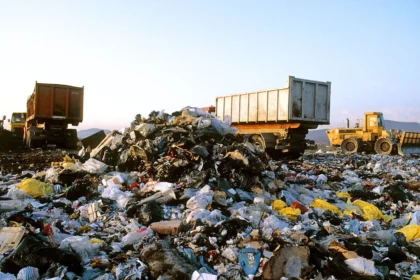
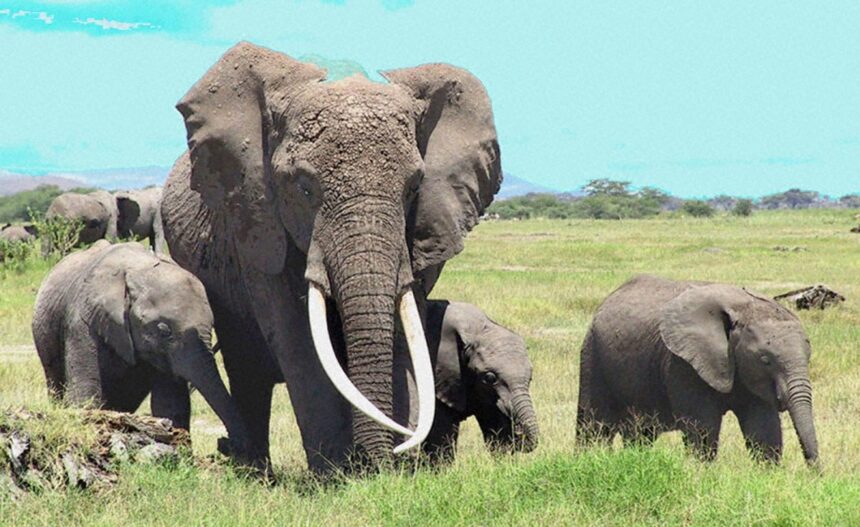
The African elephant, Nigerian-Cameroon chimpanzee, and several antelope species are among those most at risk. According to the Nigerian Conservation Foundation (NCF), deforestation for agriculture, urban expansion, and illegal logging has destroyed critical habitats, leaving wildlife populations fragmented and vulnerable.
Poaching for bushmeat and the illegal wildlife trade further compounds the problem. “Wildlife is disappearing faster than most people realize,” said Dr. Emeka Okafor, a wildlife ecologist. “Species that were once common in Nigeria’s national parks and reserves are now critically endangered.”
Efforts to reverse the trend include increased anti-poaching patrols, community-based conservation programs, and awareness campaigns highlighting the ecological and economic importance of wildlife. Protected areas like Yankari National Park in Bauchi State and Cross River National Park remain strongholds for threatened species, but conservationists say they need more funding and stronger enforcement.
Climate change is also affecting wildlife, altering rainfall patterns, water availability, and vegetation. Animals that depend on specific habitats, such as wetlands or forests, are particularly vulnerable to these shifts.
“Protecting endangered species is not just about animals,” Dr. Okafor emphasized. “It’s about preserving ecosystems that provide clean air, water, and livelihoods for people. Every species lost weakens the balance of nature.”
Experts urge Nigerians to support conservation initiatives, reduce demand for illegal wildlife products, and advocate for stronger environmental policies. With coordinated action, they say it is still possible to prevent further extinctions and secure Nigeria’s natural heritage for future generations.