



The NASA Artemis II mission has successfully completed its historic journey around the Moon, with astronauts now on their way back to Earth after a record-breaking flight.
The crew traveled around the far side of the Moon—venturing farther into space than any human mission in decades—marking a major milestone in modern space exploration. The mission represents humanity’s first return to deep space since the Apollo 17 Moon Landing.

Launched as the first crewed mission in NASA’s Artemis program, Artemis II was designed to test critical systems aboard the Orion spacecraft, including life-support, navigation, and communication technologies. Early reports indicate that these systems performed successfully throughout the mission.
During the flyby, astronauts captured images of the Moon’s far side and Earthrise, while mission teams monitored performance data that will be essential for future lunar landings.
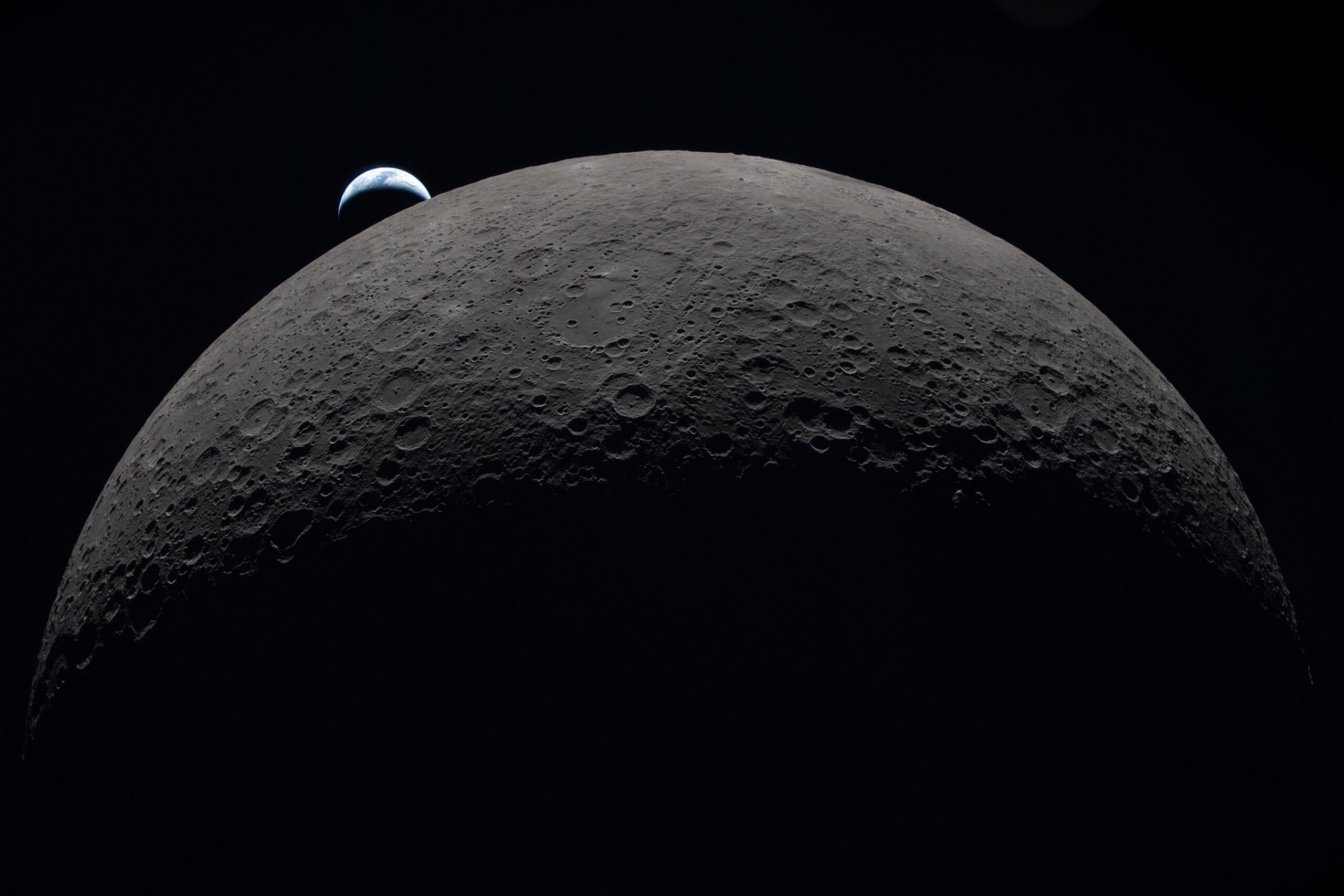
The spacecraft is now on its return trajectory to Earth and is expected to conclude the mission with a splashdown in the Pacific Ocean on Friday.
Artemis II is seen as a major step toward Artemis III, which aims to land astronauts on the Moon and begin building a sustainable human presence. Unlike the Apollo era, the Artemis program focuses on long-term exploration and future missions to Mars.
The mission also highlights global collaboration, with contributions from the European Space Agency, Japan Aerospace Exploration Agency, and Canadian Space Agency.
As Artemis II approaches its final phase, it stands as a defining moment in the new era of space technology—bringing humans one step closer to returning to the Moon, and eventually reaching Mars.