



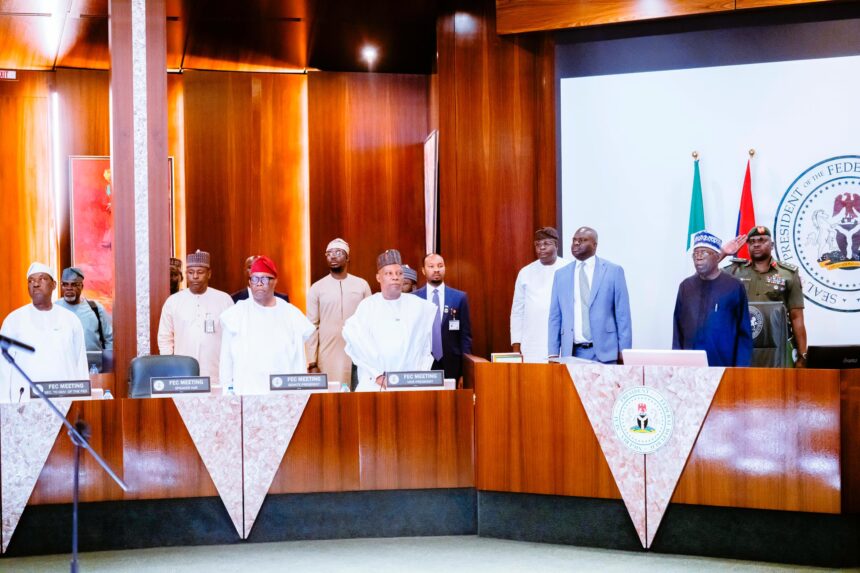
The Federal Government of Nigeria has unveiled a new economic policy designed to accelerate growth in the country’s manufacturing sector and reduce reliance on imported goods, officials said on Sunday.
At a press briefing, the Minister of Industry, Trade and Investment outlined a package of measures that includes tax incentives for local manufacturers, improved access to affordable financing, and streamlined regulatory processes to make it easier to start and expand production operations in Nigeria.
Under the new policy, companies that meet local value‑addition requirements in key sectors — such as pharmaceuticals, agro‑processing, textiles, and consumer goods — will qualify for reduced corporate income tax rates and duty‑free importation of raw materials not produced domestically.
The minister explained that the initiative aims to create jobs, enhance export competitiveness, and strengthen Nigeria’s industrial base, while attracting foreign direct investment into priority manufacturing areas.
“We want Nigerian factories producing more of what Nigerians need — and exporting to the world,” the minister said. “This policy is about transforming potential into real economic outcomes that benefit citizens.”
Trade unions and industry associations have welcomed the move but urged clear implementation timelines to ensure that benefits reach small and medium‑sized enterprises (SMEs), which make up a large share of Nigeria’s manufacturing landscape.
Economists say the policy could help address ongoing challenges such as high production costs, foreign exchange volatility, and infrastructure deficits, provided it is backed by consistent government support and private‑sector engagement.
The government also noted plans to partner with development finance institutions to support manufacturers with technical assistance, capacity‑building programmes, and access to export markets.