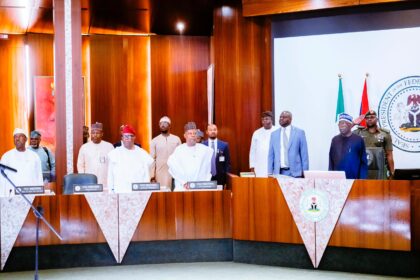




Nigeria’s National Assembly has commenced debate on a comprehensive Electoral Reform Bill, aimed at strengthening the credibility and transparency of future elections, as lawmakers, civil society groups, and political parties weigh in on contentious proposals.
The bill, introduced in both the Senate and the House of Representatives, seeks to address long‑standing concerns over electoral integrity, including provisions to:
• Expand electronic voter accreditation and results transmission systems;
• Tighten campaign finance regulations to reduce vote buying;
• Clarify rules on party primary elections and candidate nominations;
• Strengthen penalties for violence and fraud during elections.
Supporters argue the reforms are critical to boosting voter confidence in the democratic process ahead of the 2027 general election cycle. “This bill is about ensuring every Nigerian’s vote counts and is transparently counted,” said a senior lawmaker sponsoring the legislation.
However, some opposition members and civil society advocates have raised concerns that certain clauses could give undue advantage to major parties or expand executive influence over electoral bodies. They are calling for broader public consultations before final passage.
The Independent National Electoral Commission (INEC) welcomed the debate, urging lawmakers to adopt reforms that will modernise the electoral process while safeguarding electoral independence.
Political analysts say how the reform bill is shaped could significantly impact party competitiveness, civil liberties, and electoral conduct as Nigeria approaches the next general election.