


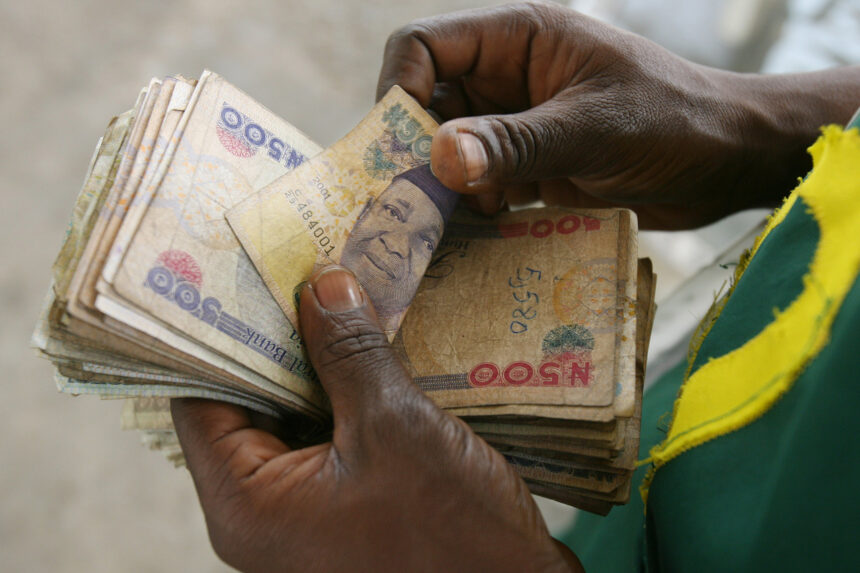
Nigeria’s economy is showing tentative signs of recovery in the first quarter of 2026, driven by rising oil revenues and growing consumer spending, but analysts warn that inflation and exchange rate volatility remain significant challenges.
According to the National Bureau of Statistics (NBS), Nigeria’s GDP grew by 2.8% in the last quarter of 2025, a slight improvement from 2.1% in the previous quarter. Growth was largely supported by the oil sector, which saw production rebound after maintenance disruptions, and the telecommunications and retail sectors, which benefited from increased consumer demand during the festive season.
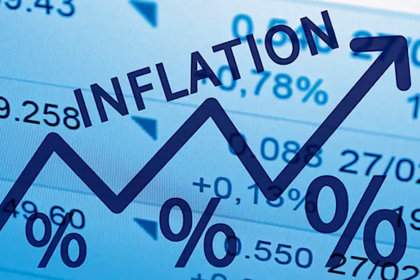
However, inflation remains stubbornly high at 19.3%, with food and fuel prices continuing to pressure household budgets. The Central Bank of Nigeria (CBN) has signaled that it may maintain its current monetary policy stance, balancing efforts to tame inflation while supporting economic growth.
“Economic recovery is visible, but it is fragile,” said Dr. Chike Obi, an economist with Lagos Business School. “Policymakers need to ensure that growth reaches ordinary Nigerians while stabilizing prices and exchange rates.”
The Nigerian Stock Exchange (NSE) responded positively to the GDP report, with the All-Share Index rising 0.9% to 58,400 points, reflecting investor optimism about the recovery in corporate earnings. Analysts also point to growing foreign investment in renewable energy and fintech as signs of diversification beyond oil.
Meanwhile, the government is accelerating infrastructure projects, including road and rail development, to stimulate jobs and domestic demand. Experts caution, however, that fiscal discipline and effective debt management will be critical to sustaining growth without worsening public debt.
As Nigeria navigates this delicate balance, businesses and households are advised to plan carefully for a period of uneven recovery, where opportunities exist but economic risks remain high.